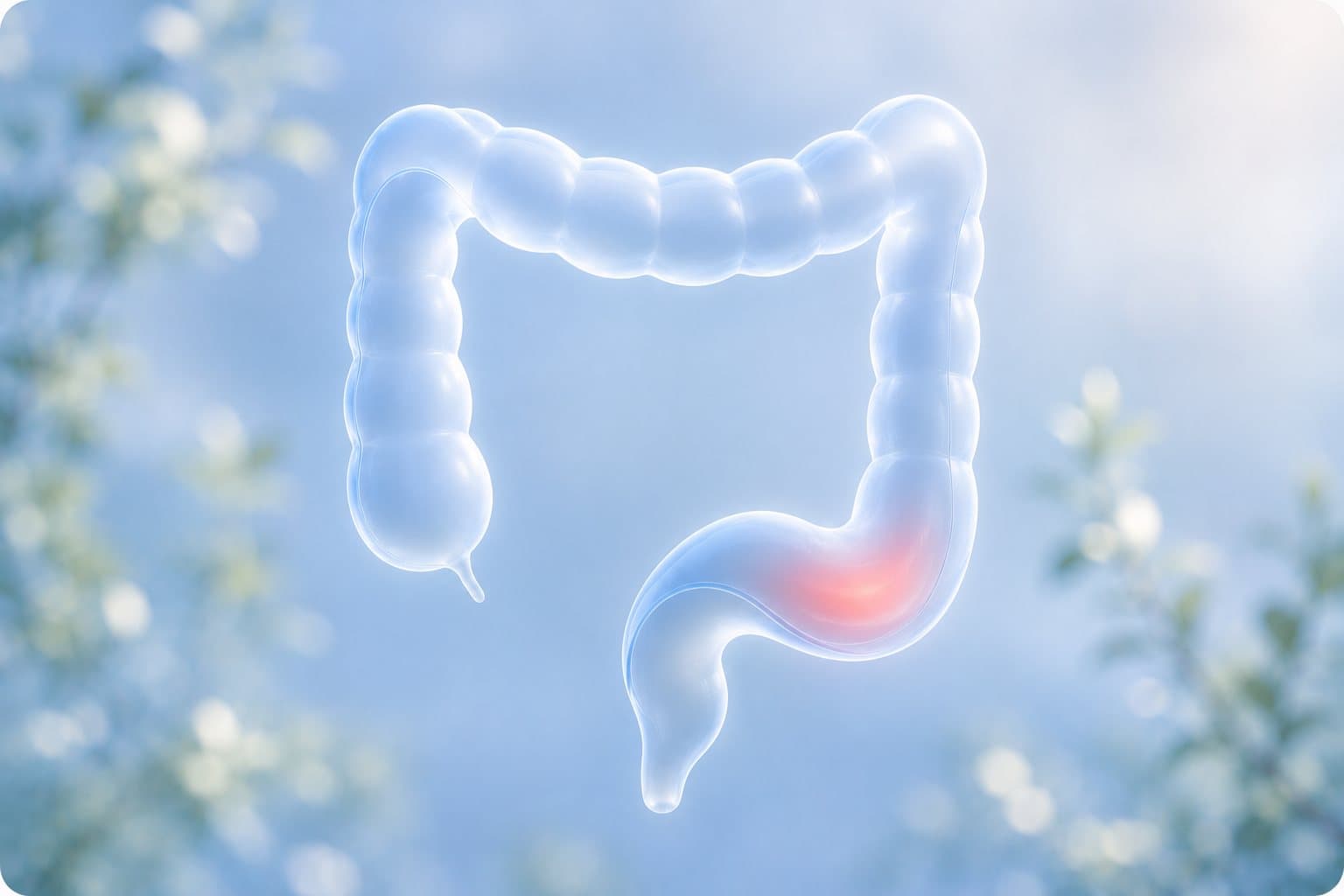
Prolapsing, bleeding hemorrhoids that had resisted conservative care were treated with a laser technique, with much less post-procedure pain than expected in this case.
The patient had managed her symptoms for a long time before seeking help: recurrent bright-red bleeding, a sensation of fullness, and tissue that now prolapsed with bowel movements and needed to be pushed back. This is typical of grade 3 hemorrhoids, and — as is common — a fear of a painful operation had kept her from having them treated sooner.
Examination confirmed prolapsing grade 3 internal hemorrhoids with recurrent bleeding, and no other cause for the bleeding that needed separate management. Dr. Refaai explained the options plainly, including continued conservative measures, and — given the grade and the impact on her daily life — she chose a minimally invasive laser procedure.
Laser hemorrhoidoplasty works differently from a traditional excision: laser energy is delivered to shrink the hemorrhoidal tissue and cut off its blood supply from within, without the large external wounds of conventional surgery. That is the main reason this approach is associated with less post-procedure pain and a quicker return to normal activity.
That is how it played out in this case. The patient reported far less discomfort than she had feared, needed only simple pain relief, and was back to light daily activity within a few days and her normal routine in about a week. She was guided on fibre, hydration and avoiding straining to protect the result.
To reduce the chance of recurrence, the follow-up addressed the habits that raise pressure in the area — chronic straining, low fibre and prolonged time on the toilet — as part of a practical, functional-medicine-informed plan tailored to her routine.
In this case the bleeding and prolapse resolved and the patient was comfortable. Results depend on the grade of disease and individual factors, so this is shared as an illustrative example of a minimally invasive option rather than a guaranteed outcome.