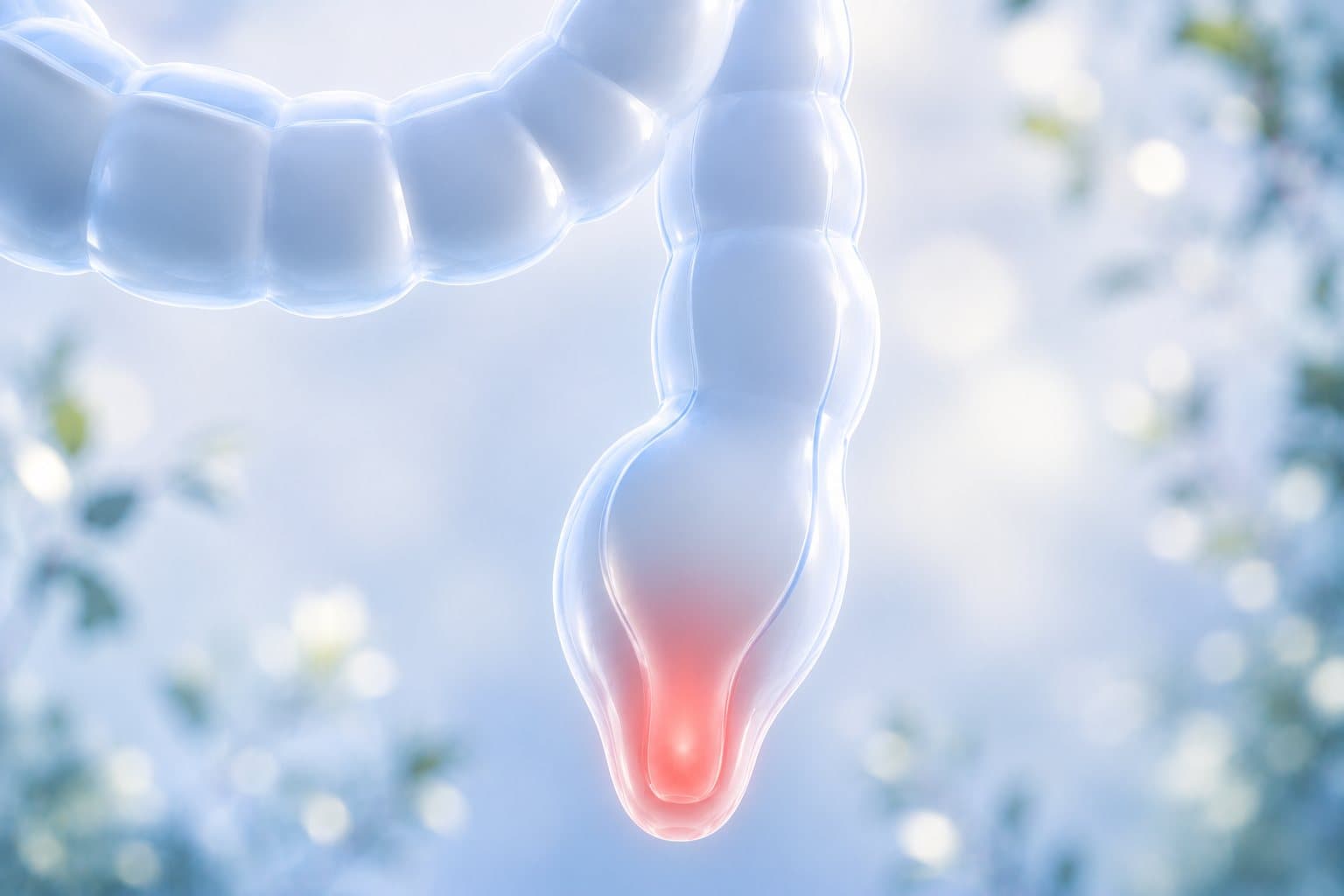
After months of pain and bleeding that didn't settle with creams, a laser-based procedure allowed this patient to return to a desk job within a few days in this case.
The patient — an office worker in his mid-thirties — had lived with a sharp pain during and after bowel movements for several months, together with occasional bright-red bleeding on the tissue. He had tried over-the-counter creams and dietary changes without lasting relief, and had been avoiding the bathroom out of anticipation of the pain, which only made the underlying constipation worse.
On examination, Dr. Refaai identified a chronic posterior anal fissure — an established tear in the anal lining that had not healed on its own — accompanied by a raised resting tone in the internal sphincter. This muscle spasm is a common driver of chronic fissures: it reduces blood flow to the area and keeps the tear from closing, which is why creams alone often fall short once a fissure becomes chronic.
Because the fissure had failed conservative treatment, a laser-assisted, sphincter-sparing procedure was chosen. The technique uses focused laser energy to treat the fissure and relax the muscle spasm precisely, with the specific aim of protecting continence and avoiding the wider tissue injury of older open techniques. It was carried out as a short day-case procedure.
Recovery in this case was quick and comfortable. The patient described far less pain than he had expected, was walking and eating normally the same day, and returned to his desk job within a few days. He was given a simple regimen of fibre, adequate hydration, warm sitz baths and gentle stool softening to protect the healing tissue during the first weeks.
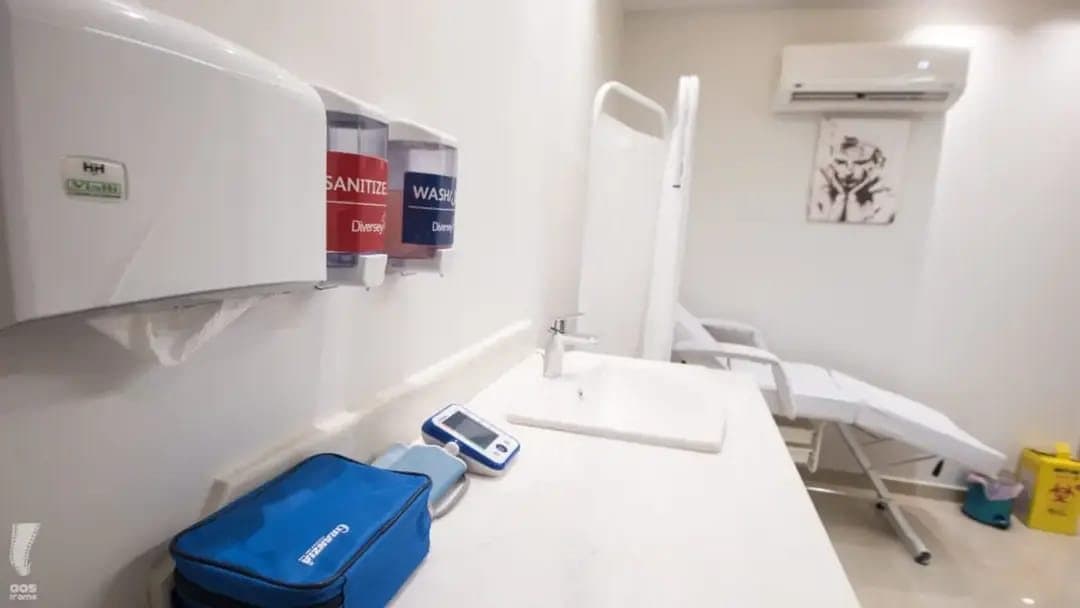
Just as important as the procedure was addressing why the fissure formed. Dr. Refaai reviewed the patient's bowel habits, fluid intake and diet, and together they built a functional-medicine-informed plan to keep stools soft and regular — the single most effective way to reduce the risk of a fissure returning.
At follow-up the fissure had healed and the patient was pain-free. As with any case, the result reflects this patient's particular anatomy and adherence to the aftercare plan, and is shared here as an illustrative example rather than a guaranteed outcome.